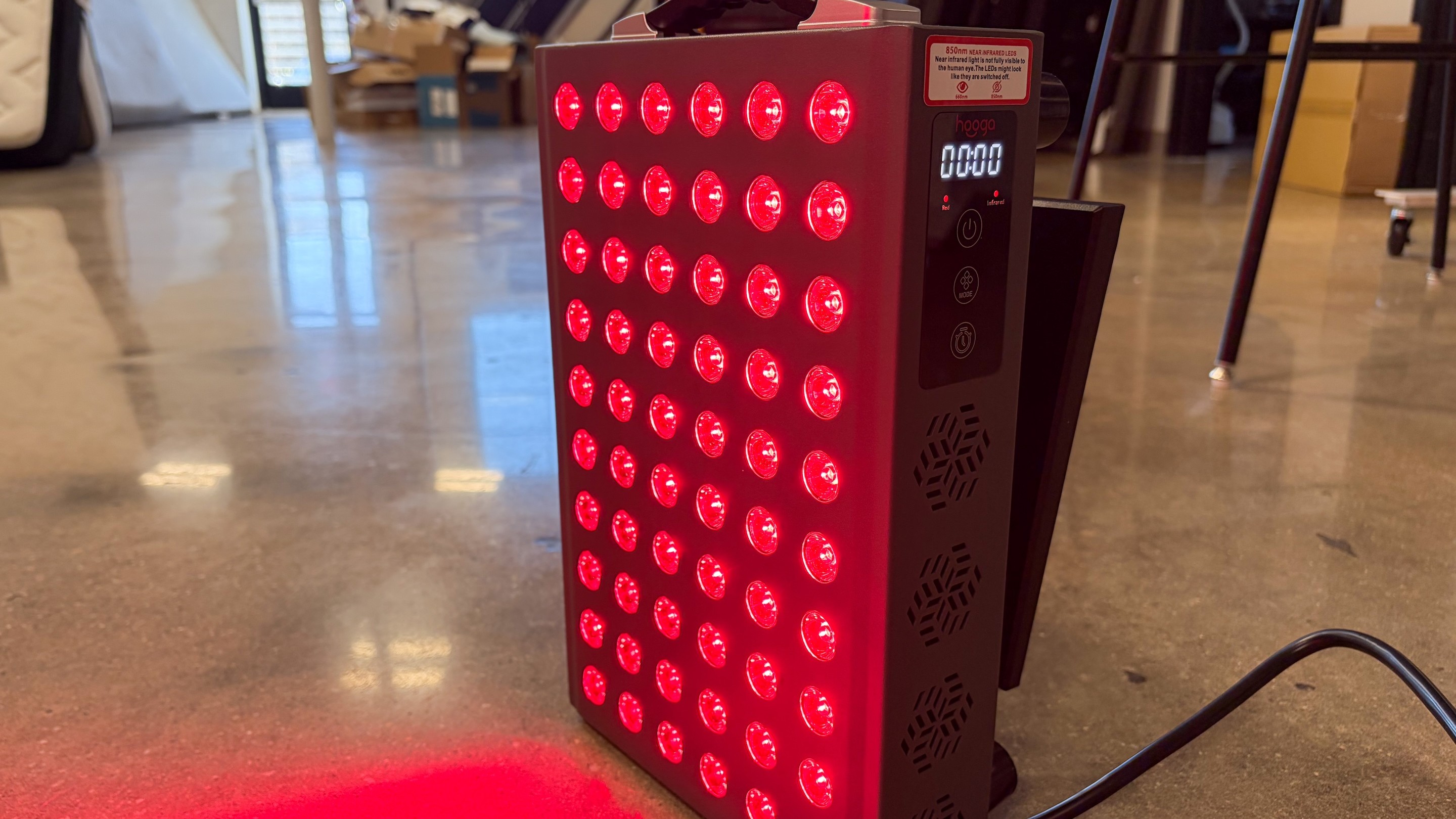
Red light therapy, also known as photobiomodulation (PBM), is a non-invasive treatment that uses specific wavelengths of red and near-infrared light to promote cellular healing and repair. But how does shining a light on your body actually create measurable changes at the cellular level?
The Mitochondrial Connection
At the core of photobiomodulation is the interaction between light and your cells' mitochondria — often called the 'powerhouses' of the cell. Mitochondria produce adenosine triphosphate (ATP), which is the primary energy currency used by every cell in your body.
When red light at 660nm or near-infrared light at 850nm reaches your tissues, it is absorbed by a specific enzyme called cytochrome c oxidase (CCO) in the mitochondrial electron transport chain. This absorption triggers a cascade of beneficial effects.
The ATP Production Boost
The primary mechanism involves the dissociation of nitric oxide (NO) from cytochrome c oxidase. Under normal conditions, NO can bind to CCO and inhibit its function, effectively slowing down energy production. Red and near-infrared light breaks this bond, allowing CCO to function optimally and increasing ATP production by up to 150%.
With more ATP available, cells have more energy to carry out essential functions: repairing damaged tissue, reducing oxidative stress, synthesising proteins, and maintaining healthy cellular communication.
Beyond Energy: Secondary Effects
The increased ATP production triggers several downstream effects: improved blood flow through nitric oxide release, reduced inflammation through modulation of reactive oxygen species (ROS), enhanced collagen production, and activation of stem cells. These combined effects explain why PBM has such wide-ranging applications — from wound healing to cognitive function.
The key takeaway is that photobiomodulation works with your body's existing biology. It doesn't force a change — it provides the energy your cells need to do what they naturally do, just more efficiently.