
The Science of Red Light Therapy
Explore the research behind photobiomodulation — from NASA wound healing studies to Harvard's cellular energy research.
How Photobiomodulation Works
A step-by-step look at how light energy transforms into cellular healing.
Light Absorption
Red (660nm) and near-infrared (850nm) wavelengths penetrate skin and tissues to reach cells.
Mitochondrial Activation
Light energy is absorbed by cytochrome c oxidase in mitochondria, boosting ATP production.
Reduced Inflammation
Enhanced cellular energy helps reduce oxidative stress and inflammatory markers.
Healing Cascade
Improved circulation, collagen synthesis, and nervous system regulation follow naturally.
Deep Cellular Change
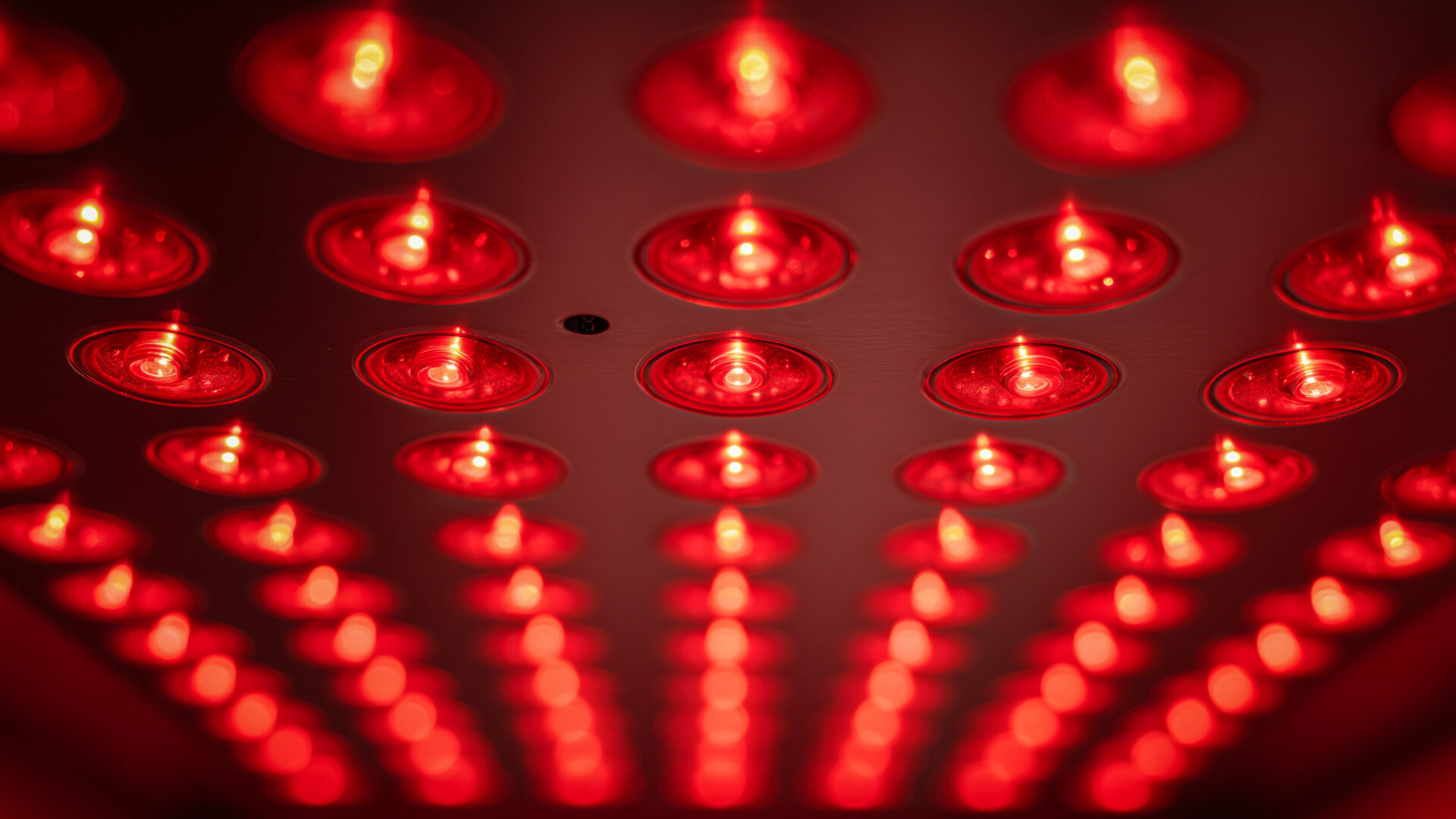
At the heart of photobiomodulation is a simple process: specific wavelengths of light are absorbed by cytochrome c oxidase — an enzyme in your mitochondria. This boosts ATP (adenosine triphosphate) production, your cells' primary energy currency.
With more energy available, cells repair faster, inflammation decreases, and circulation improves. It's not magic — it's photochemistry.
Key Studies
Wound Healing & Tissue Growth
NASA research demonstrated that red and near-infrared LEDs accelerate wound healing in zero gravity environments. Fibroblast growth rates increased by 140–200%, and Navy SEALs showed significantly faster recovery from training injuries.
Dr. Michael Hamblin's Research
Dr. Hamblin's extensive work shows photobiomodulation stimulates stem cells, reduces inflammation, and increases ATP production. His research spans over 400 peer-reviewed publications on light therapy applications.
Muscle Recovery & Pain Relief
Multiple systematic reviews confirm that PBM therapy significantly reduces muscle fatigue, decreases delayed-onset muscle soreness (DOMS), and improves exercise performance when applied before or after physical activity.
Neurological & Chronic Conditions
Emerging research explores PBM applications for Alzheimer's, Parkinson's, lymphedema, peripheral neuropathy, and osteoarthritis — with promising early results across multiple clinical trials.
"Photobiomodulation is a form of light therapy that utilises non-ionising forms of light sources to trigger photochemical changes within cellular structures."Caitlin Looney, Biotechnology Specialist
Experience the Science First-Hand
Book a session and feel the difference evidence-based light therapy makes.
Book a Session